
Summary
What is haptoglobin?
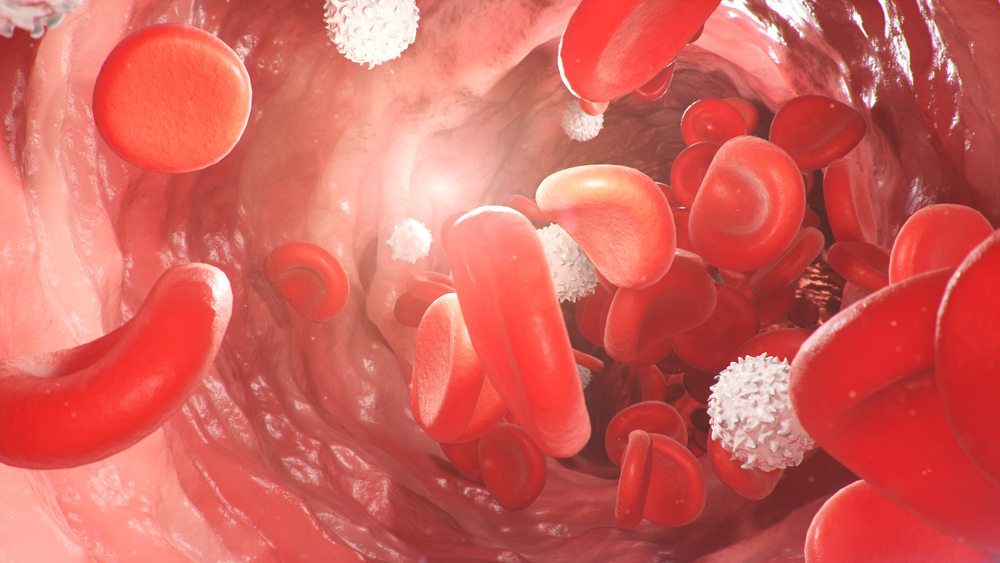
Red blood cells (RBCs) carry oxygen from your lungs to your body’s tissues. They can do this because they contain haemoglobin, the red protein that gives RBCs their colour. Oxygen sticks to the haemoglobin in RBCs so it can be transported through your bloodstream. If your haemoglobin levels are low, or if you have too few RBCs, your body will not be able to get enough oxygen.

Haemoglobin is normally kept inside RBCs, with only tiny amounts circulating freely in the bloodstream. When RBCs are destroyed and break apart, haemoglobin is released into the blood. Free haemoglobin can be harmful because it may damage tissues and organs, particularly the kidneys.
Haptoglobin is a protein made by the liver. Its job is to find and attach itself to free haemoglobin. It mops up free haemoglobin and transports it back to the liver to be broken down and recycled.

Why get tested?
The test measures the amount of haptoglobin in the blood. If RBC destruction is happening very quickly haptoglobin gets used up faster than the liver can make new haptoglobin. As a result, the blood level of haptoglobin falls.
Haemolytic anaemia
Haptoglobin testing is mainly used to investigate the destruction of RBCs, known as haemolysis. In particular, it is used to help assess haemolytic anaemia and distinguish it from anaemia caused by other conditions.
Haemolytic anaemia occurs when RBCs are being destroyed faster than the body can replace them. Normally, RBCs live for about 120 days before being removed naturally by the spleen and liver. In haemolytic anaemia, the cells break down too early, reducing the number of healthy RBCs available to carry oxygen around the body. Haemolytic anaemia can be inherited or acquired:
Inherited
Acquired
Liver disease
Low haptoglobin levels can also occur because the liver is not making enough haptoglobin. Haptoglobin testing may also be used to investigate liver disease such as cirrhosis (liver scarring), hepatitis (liver inflammation), non-alcoholic fatty liver disease, alcohol-associated liver disease liver cancer and liver failure.
Having the test
Sample
Blood.
Any preparation?
None.
Your results
Haptoglobin testing cannot be used to diagnose the cause of a condition. Other laboratory tests will be needed for this, such as:
A haptoglobin test may be ordered along with a direct antiglobulin test (DAT) to help find out if someone who has received a blood transfusion has had a transfusion reaction.
When investigating liver disease, haptoglobin is usually interpreted together with Liver Function Tests (LFTs), and bilirubin among other tests.
Reading your test report
Your results will be presented along with those of your other tests on the same form. You will see separate columns or lines for each of these tests.
When haptoglobin levels are decreased, along with an increased reticulocyte count and usually also a decrease in RBCs numbers, haemoglobin and haematocrit, then it is likely that you have some degree of haemolytic anaemia.
If the haptoglobin is normal or borderline and the reticulocyte count is increased, then RBC destruction may be occurring in organs such as the spleen and liver. Because the freed haemoglobin is not released into the bloodstream, the haptoglobin is not used up and so is normal.
If the haptoglobin levels are normal and the reticulocyte count is not increased, then it is likely that any anaemia present is not due to RBC breakdown.
If haptoglobin levels are decreased without any signs of haemolytic anaemia, then it is possible that the liver is not producing adequate amounts of haptoglobin.
| Haptoglobin levels | Reticulocyte count | Red blood cell, haemoglobin, and haemocrit | Possible interpretation |
| Significantly increased | Increased | Decreased | Red blood cell destruction within blood vessels (intravascular haemolysis.) |
| Normal or slightly decreased | Increased | Decreased | Red blood cell destruction, likely within organs (extravascular haemolysis.) |
| Normal | Not increased | Decreased | Anaemia due to a cause other than red blood cell destruction (e.g. decreased RBC production in the bone marrow.) |
Reference intervals - comparing your results to the healthy population
Your results will be compared to reference intervals (sometimes called a normal range).
If your results are flagged as high or low this does not necessarily mean that anything is wrong. It depends on your personal situation.
Reference intervals for haptoglobin vary between labs so you will need to go through your results with your doctor.
| Haptoglobin reference interval | |
| Adults | 0.3-2.0 g/L |
Reference intervals (normal ranges) for haptoglobin can vary between laboratories. This is because labs use different instruments and chemical processes to analyse samples. The reference intervals given here are used by many but not all laboratories. g/L stands for grams per litre. | |
Any more to know
Haptoglobin is considered an 'acute-phase' protein. This means that it will be elevated in many inflammatory diseases, such as ulcerative colitis, acute rheumatic disease, heart attack and severe infection. This complicates the interpretation of the haptoglobin results. Haptoglobin testing is not generally used to help diagnose or monitor these conditions.
Haptoglobin levels may be affected by massive blood loss and by conditions associated with kidney dysfunction.
Drugs that can increase haptoglobin levels include androgens and corticosteroids such as prednisolone. Drugs that can decrease haptoglobin concentrations include isoniazid, quinidine, streptomycin, and birth control pills.
Questions to ask your doctor
The choice of tests your doctor makes will be based on your medical history and symptoms. It is important that you tell them everything you think might help.
You play a central role in making sure your test results are accurate. Do everything you can to make sure the information you provide is correct and follow instructions closely.
Talk to your doctor about any medications you are taking. Find out if you need to fast or stop any particular foods or supplements. These may affect your results. Ask:
More information
Pathology and diagnostic imaging reports can be added to your My Health Record. You and your healthcare provider can now access your results whenever and wherever needed.
Get further trustworthy health information and advice from healthdirect.
What is Pathology Tests Explained?
Pathology Tests Explained (PTEx) is a not-for profit group managed by a consortium of Australasian medical and scientific organisations.
With up-to-date, evidence-based information about pathology tests it is a leading trusted source for consumers.
Information is prepared and reviewed by practising pathologists and scientists and is entirely free of any commercial influence.