
Summary
What is the viral load?
This test measures the amount of HIV in a sample of your blood. ‘Viral load’ means the number of copies of the virus present in the blood.
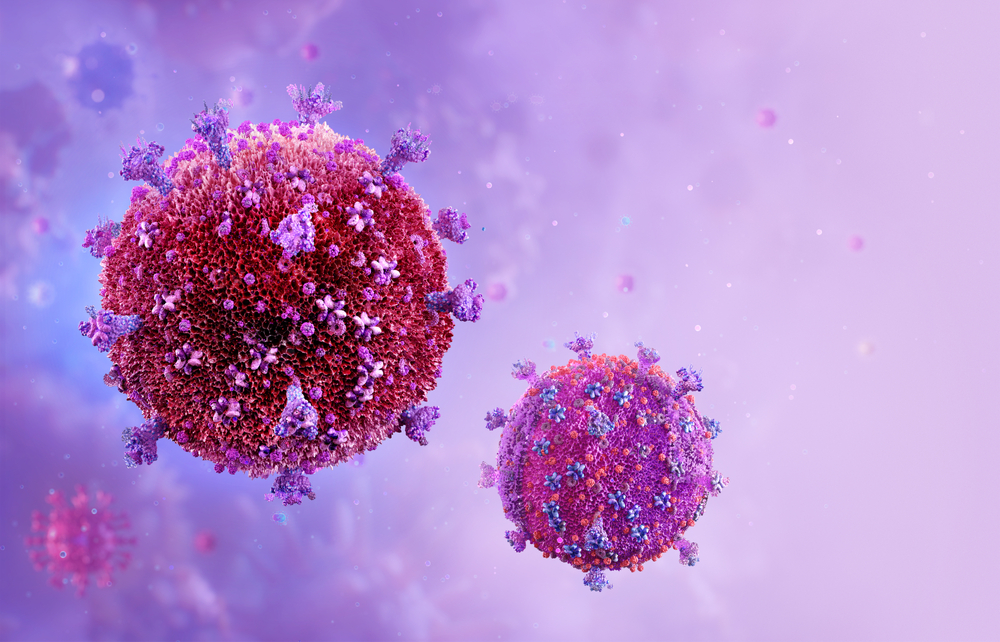
When a virus such as HIV invades the body, it enters cells and make copies of itself. Viruses are composed of a small piece of genetic information (either DNA or RNA) inside a protective shell. They cannot replicate their genetic material on their own — they must infect a host cell to be able to do so.
HIV attacks the immune system. It damages a type of white blood cell called a CD4 cell (also known as a CD4 T lymphocyte or T-helper cell). The immune system is your body's defence against infections, diseases, and other harmful substances.
As HIV destroys CD4 cells over time, their numbers steadily fall.

Why get tested?
Knowing your viral load is important because it shows what the virus is doing at the present time. For example, a high viral load means HIV is actively reproducing.
The HIV viral load test is used in conjunction with the CD4 cell count. The CD4 count measures the number of CD4 cells and shows the condition of your immune system. A low CD4 count indicates that your immune system has been weakened and increases your risk of other infections.
The two tests are ordered when someone is first diagnosed with HIV, and the results are used as a baseline measurement so that future test results can be compared. Both tests will be repeated regularly to monitor progress after starting anti-HIV therapy.
HIV antiretroviral therapy (ART) is used to control HIV infection. It is a highly effective combination of medicines that stop the virus from making copies of itself inside the body.
ART does not cure HIV, but it can reduce the amount of virus in the blood (the viral load) to very low or undetectable levels. This helps protect the immune system, allows CD4 cells to recover and greatly reduces the risk of illness and transmission to other people.
The viral load test is used to assess whether ART is working. Effective ART treatment should greatly reduce viral load within weeks to months. Rising viral load while on treatment may suggest missed medication doses, or drug resistance leading to treatment failure.
When therapy is started or changed, your doctor should request a viral load and a CD4 count to assess whether your therapy is being effective. To monitor long-term therapy, it is recommended your doctor request viral load tests and CD4 counts every 3-6 months.

Your results
An HIV viral load test uses reverse transcription polymerase chain reaction (RT-PCR), to detect and measure the amount of HIV genetic material (RNA) in a blood sample.
| Viral Load test results and possible indications | |
| For anyone on anti-HIV therapy the goal is to have an undetectable viral load. If the viral load is persistently detectable on treatment, it may mean that the therapy is not being taken correctly (i.e. some doses were missed) or that the therapy needs to be changed because the virus has developed resistance. (See HIV genotypic resistance) | |
| Results | What this may mean |
| Undetectable | An undetectable viral load means the amount of HIV in the blood is below the threshold that can be detected by the test. Most viral load tests used in Australia have a lower limit of detection between 20-75 copies/mL. This does not mean HIV is cured. Even when the viral load in the blood is undetectable, HIV remains dormant and can reappear if treatment is stopped. Someone who has not been infected with HIV should have no circulating HIV virus in their blood and, therefore, have a negative or undetectable viral load. |
| Rising count and falling count | A rising count indicates an infection that is getting worse, while a falling count indicates improvement and suppression of the HIV infection. However, a threefold change in the viral load copies/mL is required before the change can be considered significant. |
Viral load tests are reported as the number of HIV copies in a millilitre (copies/mL) of blood. There are several methods for testing viral load and results are not interchangeable. This means it is important that the same method and the same laboratory are used each time. | |
Common terms you may see on your HIV viral load report
HIV RNA quantitation - another name for the viral load test
Detected - HIV RNA was found in the sample
Not Detected (ND) - no HIV RNA was detected above the assay's detection limit
Below the Limit of Quantification (BLQ) - HIV RNA detected but too low to accurately count
Quantifiable Range - the range over which the test can accurately measure HIV RNA
Lower Limit of Detection (LOD) - the smallest amount of HIV RNA the test can detect
PCR - polymerase chain reaction, the technology used to measure HIV RNA
Real-Time PCR - the most common method used for HIV viral load testing
Virologic suppression – viral load is at a very low or undetectable level
Viral rebound – viral load has increased after previously being suppressed
Persistent low-level viraemia – small amounts of HIV RNA remain detectable over time
Treatment failure – viral load is not adequately controlled despite treatment
U=U (Undetectable = Untransmittable) – someone with a sustained undetectable viral load do not sexually transmit HIV
Questions to ask your doctor
The choice of tests your doctor makes will be based on your medical history and symptoms. It is important that you tell them everything you think might help.
You play a central role in making sure your test results are accurate. Do everything you can to make sure the information you provide is correct and follow instructions closely.
Talk to your doctor about any medications you are taking. Find out if you need to fast or stop any particular foods or supplements. These may affect your results. Ask:
More information
Pathology and diagnostic imaging reports can be added to your My Health Record. You and your healthcare provider can now access your results whenever and wherever needed.
Get further trustworthy health information and advice from healthdirect.
What is Pathology Tests Explained?
Pathology Tests Explained (PTEx) is a not-for profit group managed by a consortium of Australasian medical and scientific organisations.
With up-to-date, evidence-based information about pathology tests it is a leading trusted source for consumers.
Information is prepared and reviewed by practising pathologists and scientists and is entirely free of any commercial influence.