
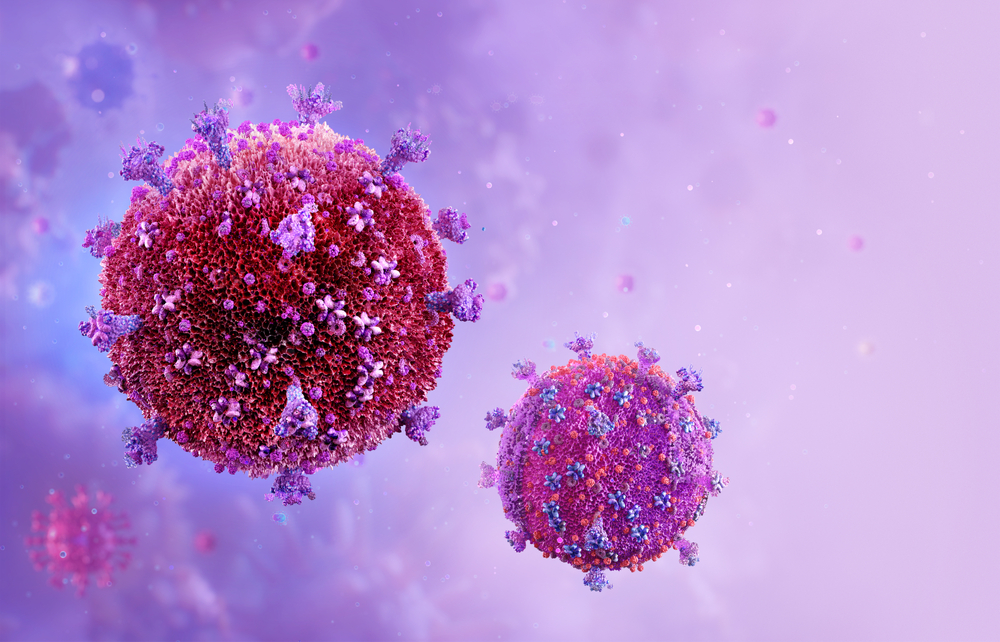
HIV (Human Immunodeficiency Virus) is a virus that attacks the immune system. It damages a type of white blood cell called a CD4 cell (also known as a CD4 T lymphocyte or T-helper cell). The immune system is your body's defence against infections, diseases, and other harmful substances.
CD4 cells play an important role in coordinating the body's immune response. Rather than directly fighting infections themselves, they are the ‘helper’ cells of the immune system. They guide other immune cells to recognise and fight infections and abnormal cells, including cancer cells. As HIV destroys CD4 cells over time, the immune system becomes less able to fight infections.
The only reliable way to tell if you are infected with HIV is to be tested. This is because you may have no symptoms, or they may be mild and similar to other illnesses, such as flu.
By identifying HIV through blood tests, antiretroviral therapy (ART) can be started. ART is the treatment used to control HIV infection. It is a highly effective combination of medicines that stop the virus from making copies of itself inside the body.
ART does not cure HIV, but it can reduce the amount of virus in the blood (the viral load) to very low or undetectable levels. This helps protect the immune system, allows CD4 cells to recover and greatly reduces the risk of illness and transmission to other people.
Different types of blood tests are used to diagnose and manage HIV including:
There are two types of HIV. These are HIV-1 and HIV-2. HIV-2 is rare in Australia and more common in West Africa. HIV can be spread in various ways and so testing may be requested if you:
Testing
Diagnosing HIV is usually done using a combined HIV antigen/antibody (HIV Ag/Ab) test, also known as a fourth-generation HIV test. This measures the antibodies your immune system makes to fight HIV, as well as detecting a protein called P24 antigen which is found on the virus itself.
HIV serology is also known as antibody testing. Your immune system protects you by making antibodies to attack substances that are foreign to your body and could be harmful to you. The HIV serology test measures the amount of HIV antibodies that your body produces as a response to the virus.
However, antibodies to HIV do not appear until about 20 days after the infection and may take up to three months to appear in the blood. This means that if you are tested too soon after the initial infection, the test result may be negative.
The p24 test detects p24 antigen which appears in the blood before HIV antibodies develop, making it useful for detecting HIV early after infection. As antibodies develop, they bind to the p24 antigen, causing p24 levels in the blood to fall. At this point the antibody part of the test becomes the main marker of infection.
Because of these limitations, antibody and antigen testing are combined as a 4th generation HIV Ag/Ab test. When combined, these tests can detect HIV earlier and provide more reliable results than either test alone. Repeat testing may be needed for up to six months after a possible exposure to the virus.
If the test result is positive the result will be confirmed and followed up with:
Initial serology is often confirmed with a second test called a Western Blot if positive. This is performed in specialised laboratories.

Because symptoms similar to those of HIV can occur with many infections, testing to rule out other potential co-infections will usually be undertaken. These could include Epstein-Barr Virus (glandular fever), cytomegalovirus (CMV), hepatitis A, B and C, respiratory viruses such as flu and COVID and a range of sexually transmitted infections (STIs).
In Australia, the HIV test is free and anonymous. You can be tested by your doctor, at any sexual health clinic or special clinic for HIV screening. Only the doctor requesting the test will be notified by the laboratory of the result.
Your medical team will give you advice about informing sexual partners if your test result is positive. You must have a test if you want to become a blood donor, use your sperm for artificial insemination, have an egg implantation or adopt a child.
Sample
Blood
Any preparation?
None
Reading your test report
Your results will be presented along with those of your other tests on the same form. You will see separate columns or lines for each of these tests.
| Example of a negative serology report | ||
| Test | Result | Meaning |
| HIV 1 & 2 antibody | Negative | No evidence of HIV infection |
| HIV p24 antigen | Negative | No evidence of HIV infection |
| If your test result is negative, it may be because you have been tested too soon after the initial infection and repeat testing may be needed. | ||
| Example of a positive serology report | ||
| Test | Result | Meaning |
| HIV 1 & 2 antigen/antibody screen | Reactive – confirmatory testing in progress | Your test result showed evidence of HIV infection and further testing is underway to confirm this |
Common terms you may see on your HIV serology report
The choice of tests your doctor makes will be based on your medical history and symptoms. It is important that you tell them everything you think might help.
You play a central role in making sure your test results are accurate. Do everything you can to make sure the information you provide is correct and follow instructions closely.
Talk to your doctor about any medications you are taking. Find out if you need to fast or stop any particular foods, medications or supplements. These may affect your results. Ask:
Pathology and diagnostic imaging reports can be added to your My Health Record. You and your healthcare provider can now access your results whenever and wherever needed.
Get further trustworthy health information and advice from healthdirect.