Summary
What is Homologous recombination deficiency (HRD)?
Homologous recombination is a process that cells use to make repairs. This process may not work properly if the genes involved in homologous recombination are not functioning as they should be. If the cell repair system is faulty the chance of cancer forming increases.
Our bodies are made up of trillions of cells. Almost every cell has a nucleus containing a complete set of our genetic material - our DNA.
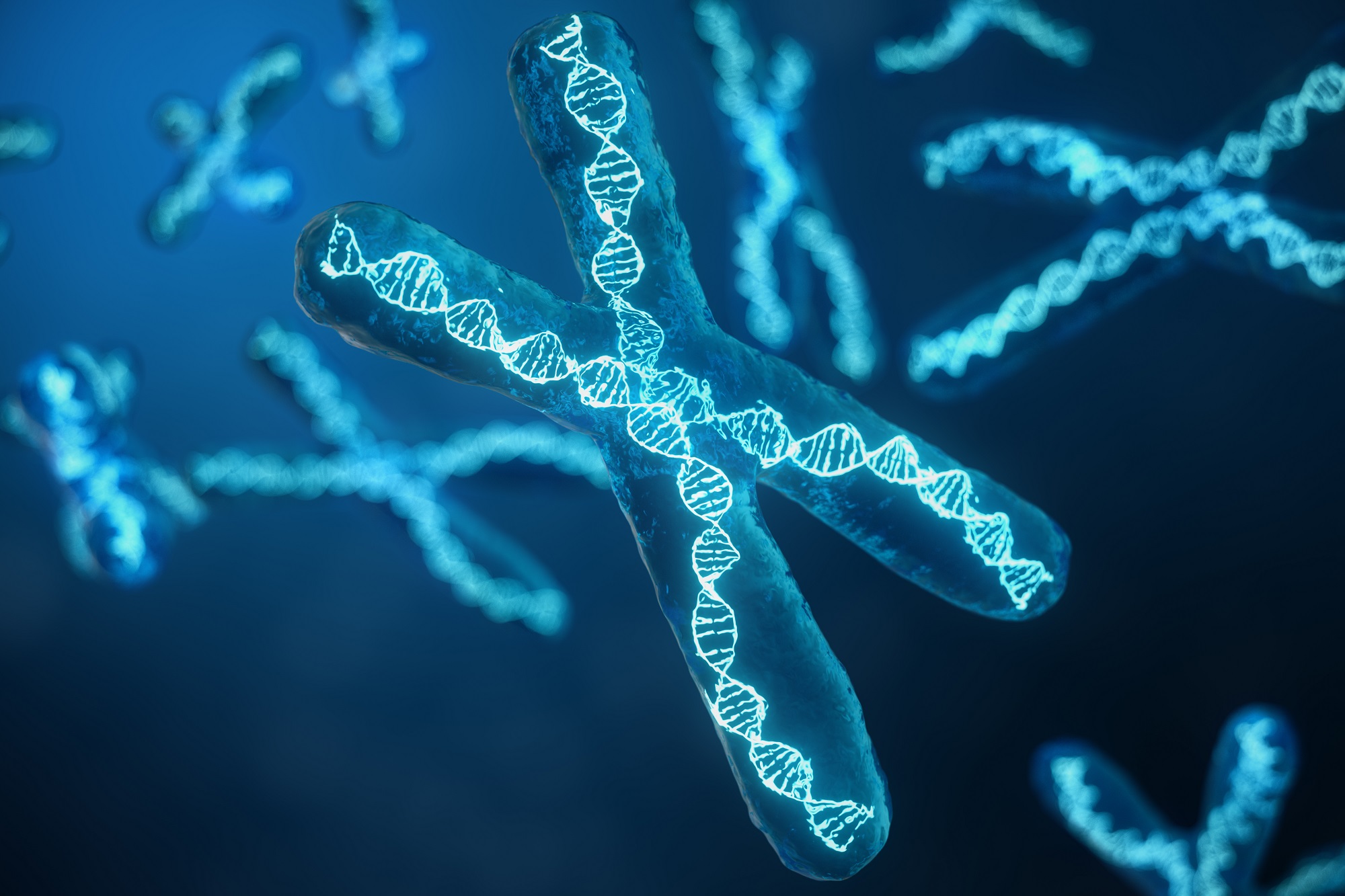
DNA is made of two matching strands twisted together like a spiral staircase, forming a double helix. This is tightly wound into structures called chromosomes. We have two sets of chromosomes, one inherited from our mother and one from our father.

Genes are short sections of DNA. Genes tell the body how to grow, work and react to its surroundings. Over time, DNA can become damaged through normal ageing and everyday wear and tear, as well as exposure to environmental factors.
When this happens, the genetic instructions can change, and this may affect how cells work. Cancer develops when accumulated DNA damage disables the mechanisms that normally control cell growth, repair and death, allowing cells to grow and spread uncontrollably.
Homologous recombination is one of the body's most important DNA repair mechanisms. It repairs a form of DNA damage called double-stranded DNA break, where both strands of the DNA double helix are cut.
To perform this repair, cells use an intact copy of the missing DNA using the matching chromosome as a template, ensuring the break is repaired accurately. Because we inherit two copies of each chromosome—one from each parent—there is usually a working copy available to guide the repair.
If the genes involved in homologous recombination do not work properly, cells must rely on less accurate repair methods, which can introduce mistakes into the DNA. Over time, this leads to the build-up of DNA errors, creating genetic instability and increasing the risk of cancer. When cells are unable to perform homologous recombination, they are said to have homologous recombination deficiency (HRD).

Why get tested?
HRD is particularly relevant in some ovarian, breast and prostate cancers, as it may help:
The best-known genes associated with HRD are:
However, HRD can also result from abnormalities in other genes involved in the homologous recombination repair process, including:
It is possible you may be tested for several of these, depending on the specific test used by the laboratory.
HRD testing has a Medicare rebate which may cover all or part of the cost. It is important to note that Medicare requires a referral from an appropriate specialist, as all relevant MBS items specify that the test must be requested by a specialist.
Your results
Although HRD results reports vary between laboratories, they usually include:
If a BRCA1 or BRCA2 variant, or a positive HRD result, is found in a tumour, treatment with a PARP inhibitor such as Olaparib may be an option and may be available through the Pharmaceutical Benefits Scheme (PBS).
When a BRCA variant is found in tumour tissue, about one-third to two-thirds of people will also have the same variant in their normal cells. This is called a germline variant and means the variant was inherited from a parent. Germline variants are important not only for treatment decisions but also because they may affect someone’s future health and that of their close relatives. Testing for a germline variant requires a blood sample. The testing laboratory will indicate if further germline BRCA testing is required.
Common terms seen on an HRD report
For more on terms see Genetics glossary
More information
Pathology and diagnostic imaging reports can be added to your My Health Record. You and your healthcare provider can now access your results whenever and wherever needed.
Get further trustworthy health information and advice from healthdirect.
What is Pathology Tests Explained?
Pathology Tests Explained (PTEx) is a not-for profit group managed by a consortium of Australasian medical and scientific organisations.
With up-to-date, evidence-based information about pathology tests it is a leading trusted source for consumers.
Information is prepared and reviewed by practising pathologists and scientists and is entirely free of any commercial influence.