
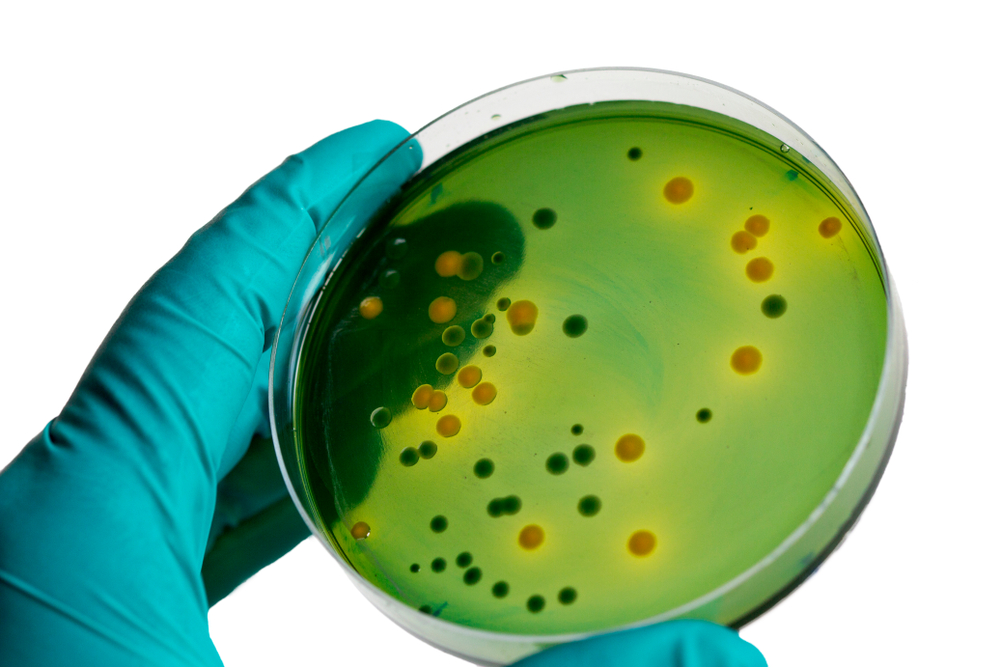
Whooping cough, also called pertussis, is an infection of the airways that spreads easily from person to person through droplets released when an infected person coughs or sneezes. It is caused by Bordetella pertussis bacteria.
Whooping cough often starts like a cold, with symptoms such as a runny nose, tiredness, a mild cough and sometimes a mild fever. After about 1 to 2 weeks, the cough can become much worse, with repeated bouts of coughing. Some people may make a ‘whooping’ sound when breathing in after coughing. This can last for many weeks or even months.
Whooping cough can affect people of any age but can be particularly serious in babies and young children. It can spread quickly within households and in places such as childcare centres, schools and healthcare facilities.
Vaccination is the best way to protect against whooping cough and reduce the risk of severe illness.
A test to detect the B. pertussis bacteria is used to diagnose whooping cough. Early diagnosis and treatment with antibiotics is important to help reduce the risk of spreading the infection to other people, particularly those at greater risk of severe illness.
Suspicion of pertussis infection is increased if you:
Symptoms usually begin at 7 to 10 days after infection, but they can take up to 3 weeks to appear. Without treatment, people may remain infectious for several weeks after symptoms start. Antibiotic treatment reduces this period of infectiousness.
Young children are particularly at risk from whooping cough. Babies with whooping cough may have apnoea (pauses in breathing) instead of a bad cough. In severe cases, during these pauses the baby can turn blue because they are not getting enough oxygen and need urgent medical care. This can be life threatening.
Despite vaccination programs, whooping cough remains common in Australia. In 2024, more than 57,000 cases were reported — the highest annual number since national records began in 1991. More than half of reported cases were in children aged 5 to 14 years.
Pertussis is a nationally notifiable disease – these are diseases that present a risk to public health. Health authorities in each state and territory report new confirmed and probable cases through the National Notifiable Diseases Surveillance System.
PCR testing (direct testing)
The preferred test for whooping cough is PCR testing. This detects the genetic material of the bacteria and can show if you have an active infection. This test is most accurate during the first 3 weeks of symptoms. To make a diagnosis, the result is considered together with your symptoms and health history. To test for whooping cough, a sample is usually collected from the nose or throat with a nasopharyngeal swab and sent to a laboratory for PCR testing. The PCR test amplifies the bacteria’s genetic material in the sample so that there is enough to be detected.
Serology antibody testing (indirect testing)
These are tests that look for the antibodies your immune system makes to fight the bacteria. Antibodies are made over the days and weeks following infection. The same thing happens when you are vaccinated. Antibodies are also known as immunoglobulins and abbreviated as Ig.
Antibody (serology) testing does not detect the bacteria directly, but it looks for the antibodies in a sample of your blood that your immune system has made to the B. pertussis bacteria. It takes time after you are infected before antibodies develop and you show a positive result. This means serology testing results are difficult to interpret in early illness and if you have been vaccinated within the previous 12 months.
Serology tests for whooping cough generally cannot differentiate between vaccine and infection-induced immune responses. Serology testing is often used to help diagnose whooping cough in people who have been coughing for several weeks, when PCR is less likely to be positive. It can also help assess and study the spread of whooping cough in the community. The tests performed are different between laboratories.
The timing of IgM, IgA and IgG responses varies considerably between individuals. These antibodies develop over days to weeks after an infection and are generally more useful later in the illness.
Sample
Nasopharyngeal swab and/or blood
Any preparation?
None
A positive PCR test means genetic material from B. pertussis was found in your sample. Once the bacteria start to clear, the PCR test results will be negative.
Pertussis PCR testing may also detect other Bordetella bacteria, depending on the type of test used. These include Bordetella parapertussis, which can cause an illness similar to whooping cough but usually with milder symptoms, and Bordetella holmesii, which can occasionally cause a similar respiratory illness.
A negative PCR result makes whooping cough less likely but does not completely rule it out. If there are too few bacteria in your sample, particularly if you have been coughing for several weeks or have already started antibiotics, the infection may not be detected.
The choice of tests your doctor makes will be based on your medical history and symptoms. It is important that you tell them everything you think might help.
You play a central role in making sure your test results are accurate. Do everything you can to make sure the information you provide is correct and follow instructions closely.
Talk to your doctor about:
Pathology and diagnostic imaging reports can be added to your My Health Record. You and your healthcare provider can now access your results whenever and wherever needed.
Get further trustworthy health information and advice from healthdirect.